Copper vs Aluminum Wire: Cost, Safety and Sizing
Copper is the default conductor for most wiring, but aluminum carries most of the power from the grid to your meter and much of it from the meter to big loads. Here is how copper vs aluminum wire really compares, and where each one belongs.
The numbers
| Copper | Aluminum (1350 / AA-8000) | |
|---|---|---|
| Conductivity | 100% IACS | About 61% |
| Density | 8.9 g/cm³ | 2.7 g/cm³ |
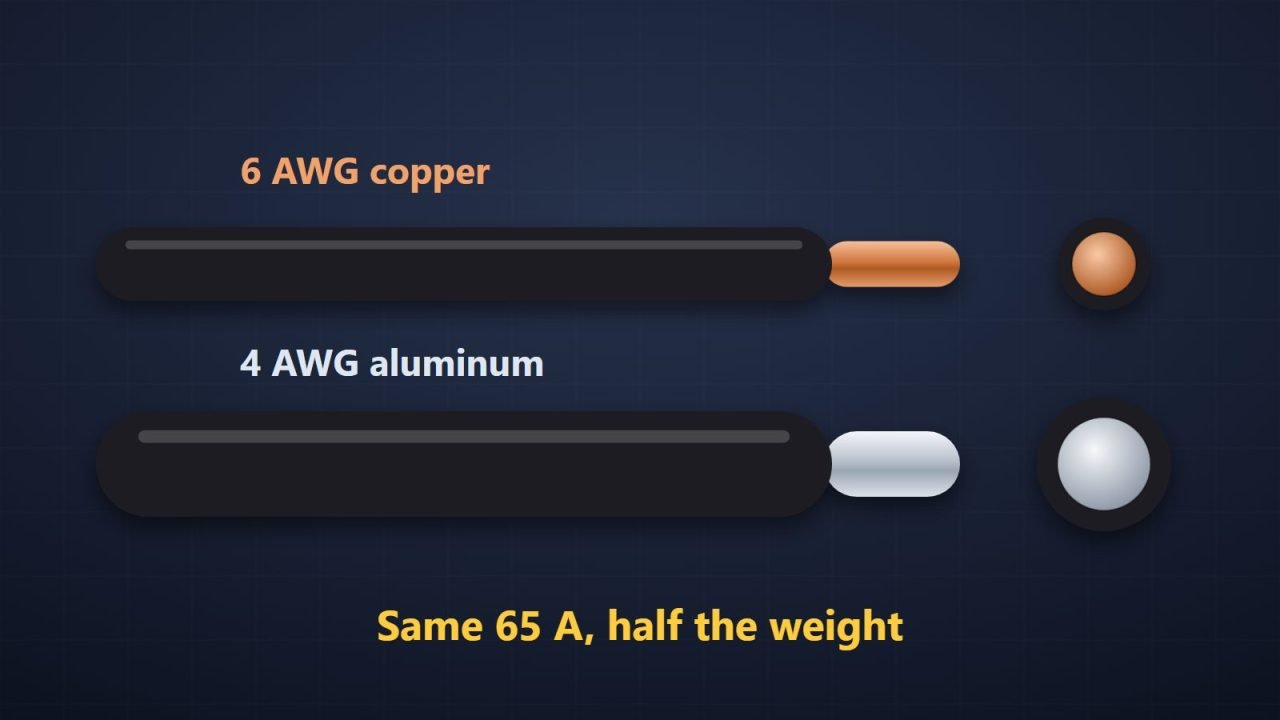
| Size for the same ampacity | Base size | About two AWG sizes larger |
| Weight for the same ampacity | Base weight | About half |
| Thermal expansion | 17 ppm/°C | 23 ppm/°C |
| Oxide layer | Conductive | Insulating |
Because aluminum conducts less, it needs more area. Because it is so light, the bigger aluminum wire still weighs about half as much as the copper one. The copper to aluminum wire size calculator finds the matching size for any wire.
Advantages of aluminum
- Cost: for large feeders and services, aluminum is usually far cheaper than copper of the same ampacity, and less exposed to swings in the copper price.
- Weight: easier to pull and handle on long runs, and less load on overhead spans.
- Same voltage drop: the equivalent sizes have almost the same resistance.
Advantages of copper
- Smaller wire: fits smaller conduit, boxes and terminals.
- Forgiving connections: copper’s oxide still conducts and it creeps less under pressure.
- Works with every device: most switches and receptacles are not rated for aluminum.
Why aluminum got a bad name
From about 1965 to 1973, many homes in North America were wired with small solid aluminum branch circuits (12 and 10 AWG) made from the alloy used for power lines. Connected to devices designed for copper, those joints could loosen as the metal expanded and crept, then oxidize and overheat. Some caused fires.
The industry responded in two ways. Today’s aluminum building wire is made from AA-8000 series alloys, which creep far less, and devices for aluminum must be listed and marked AL/CU or, for 15 and 20 A devices, CO/ALR. Old aluminum branch circuits are usually made safe by pigtailing each connection to copper with connectors listed for the job, such as AlumiConn or crimped COPALUM splices.
Making good aluminum connections
- Use only lugs and connectors marked AL/CU or AL7CU.
- Strip without nicking the strands, and wire-brush the metal if the maker says to.
- Apply anti-oxidant compound where the lug maker calls for it.
- Tighten to the marked torque with a torque screwdriver or wrench. Under-tightening is the most common cause of failure.
Where each makes sense
| Job | Usual choice |
|---|---|
| 15 and 20 A branch circuits | Copper |
| 30 to 50 A appliance circuits | Copper, or aluminum SER for ranges |
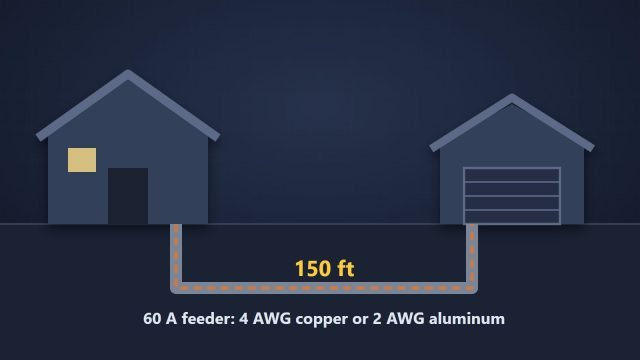
| Subpanel feeders and long runs | Aluminum |
| Service entrance | Aluminum |
| Grounding electrode conductors | Copper (aluminum has burial limits) |
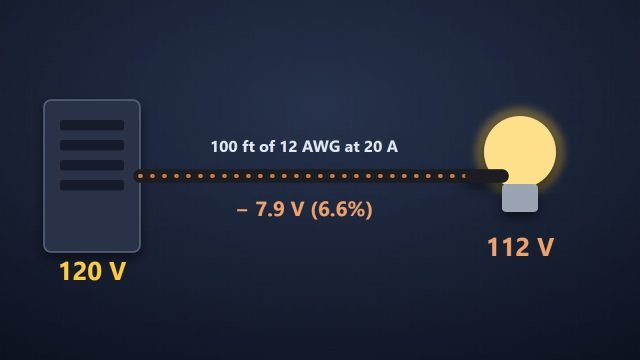
Whichever metal you choose, check long runs with the voltage drop calculator.